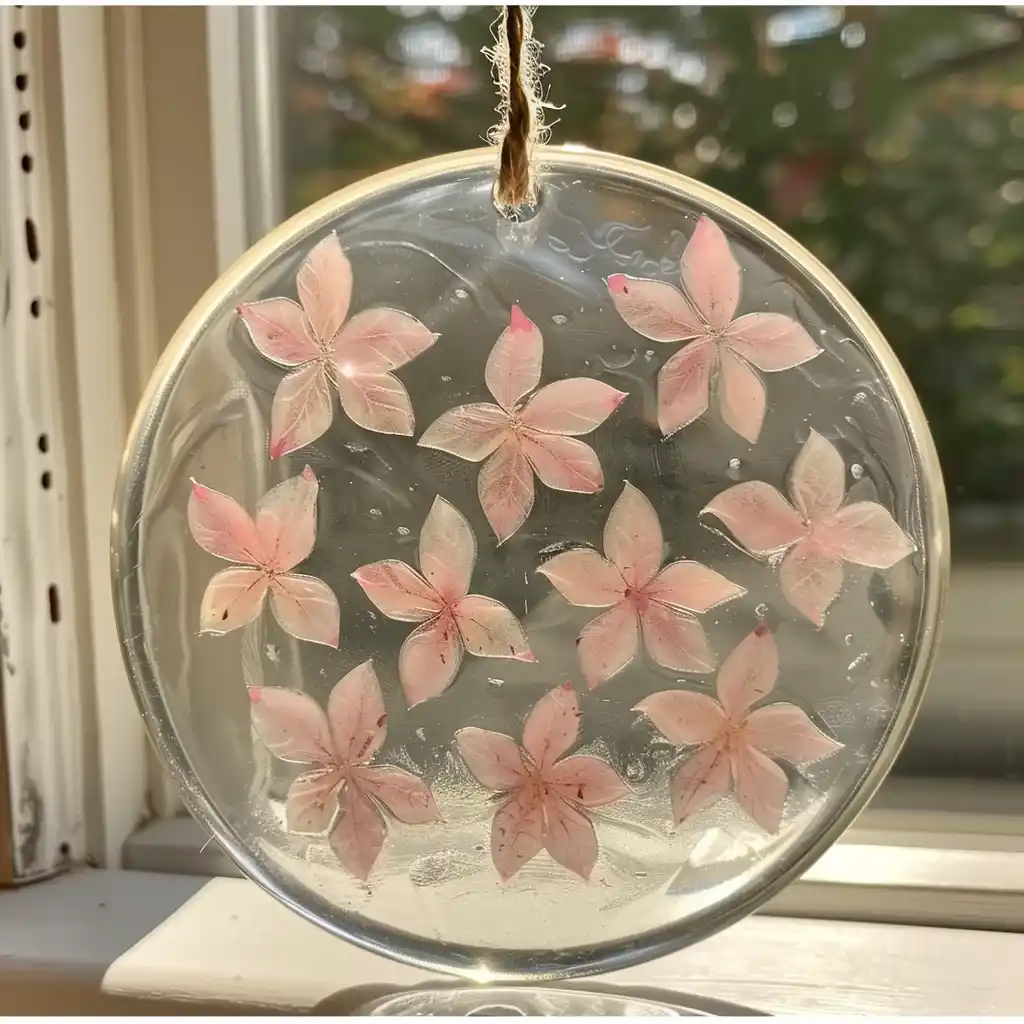
Looking for a creative way to brighten up your windows while making a positive impact on the environment? Bioplastic suncatchers are the perfect solution! They’re made from simple kitchen ingredients and provide a colorful, sustainable alternative to traditional plastic. Whether you’re a parent searching for an educational activity for kids or a craft enthusiast exploring eco-friendly projects, this guide will walk you through everything you need to know.
Why Make Bioplastic Suncatchers?
An Eco-Friendly Alternative
Plastic waste is a major environmental challenge, and finding creative ways to reduce our reliance on synthetic plastics is essential. Bioplastics are an excellent option because they are derived from renewable sources and can decompose naturally, reducing harm to the planet.
A Fun, Educational Project
Crafting bioplastic suncatchers is not just fun but also educational. It offers a hands-on opportunity to learn about polymer science and sustainability. Plus, the end result—a vibrant decoration that catches the sunlight—is both practical and beautiful.
How to Make Bioplastic Suncatchers
Ingredients
To get started, gather these simple ingredients and tools:
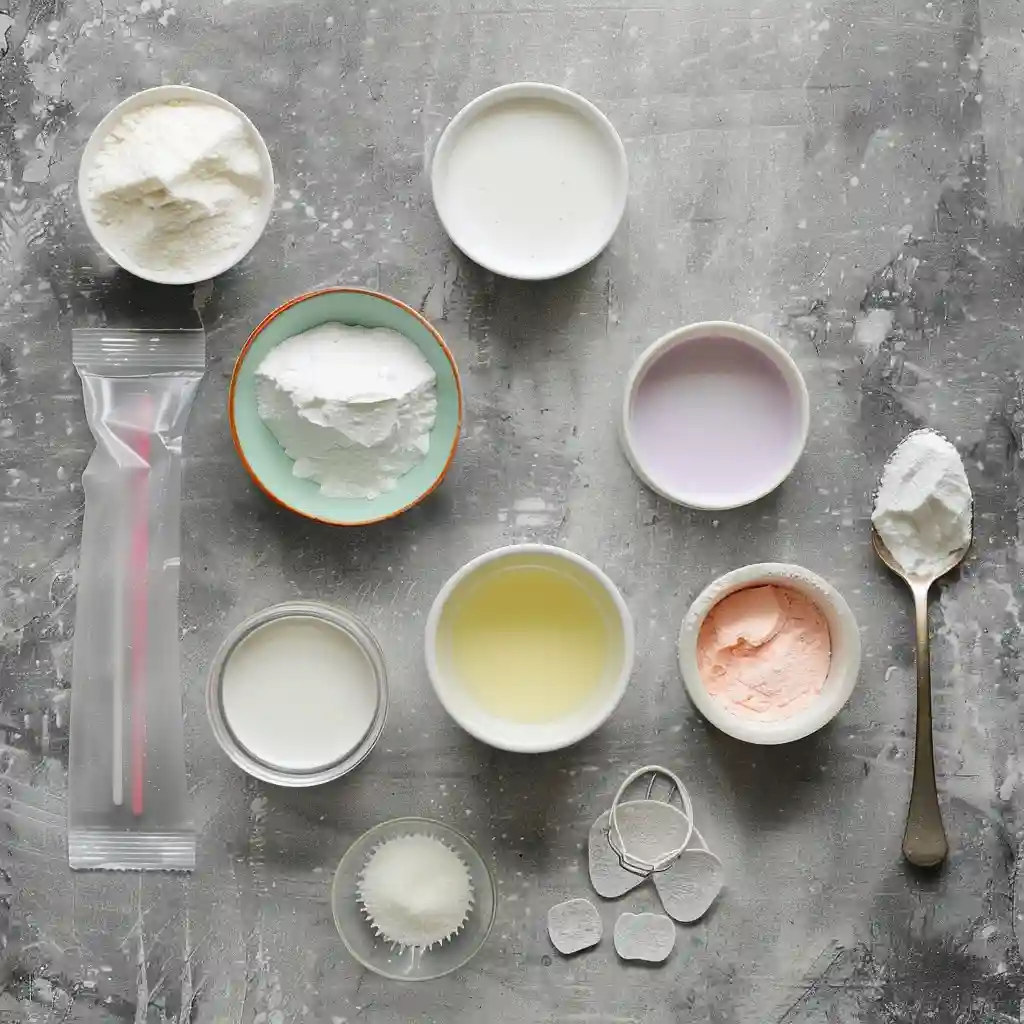
- 1/2 cup cornstarch
- 1/2 cup water
- 1 tablespoon vinegar
- 1 tablespoon glycerin
- Food coloring (optional, for color)
- Wax paper or plastic sheet for molding
- A spoon or craft stick for stirring
- A saucepan
- A small container or mold for shaping (optional)
Directions
Follow these step-by-step instructions for perfect bioplastic suncatchers:
- Mix the Base Ingredients
Combine 1/2 cup cornstarch, 1/2 cup water, 1 tablespoon vinegar, and 1 tablespoon glycerin in a small saucepan. Stir until smooth. - Heat and Thicken
Place the saucepan on low heat and stir continuously. The mixture will start to thicken and take on a gel-like consistency. Keep stirring to avoid lumps. - Cook Until Clear
Continue stirring for 5–7 minutes, or until the mixture turns clear and thick, similar to gel. - Add Color (Optional)
Remove from heat and mix in a few drops of food coloring while the mixture is still warm for a vibrant effect. - Shape the Suncatcher
Spread the mixture evenly onto wax paper or pour it into a mold. For an artistic touch, press small flowers or leaves into the surface. - Dry and Harden
Allow the suncatcher to cool and dry completely at room temperature for 24–48 hours, depending on thickness. - Finish and Hang
Once hardened, peel it off the wax paper, punch a hole at the top, and thread a string for hanging in a sunny window.
Tips and Creative Variations
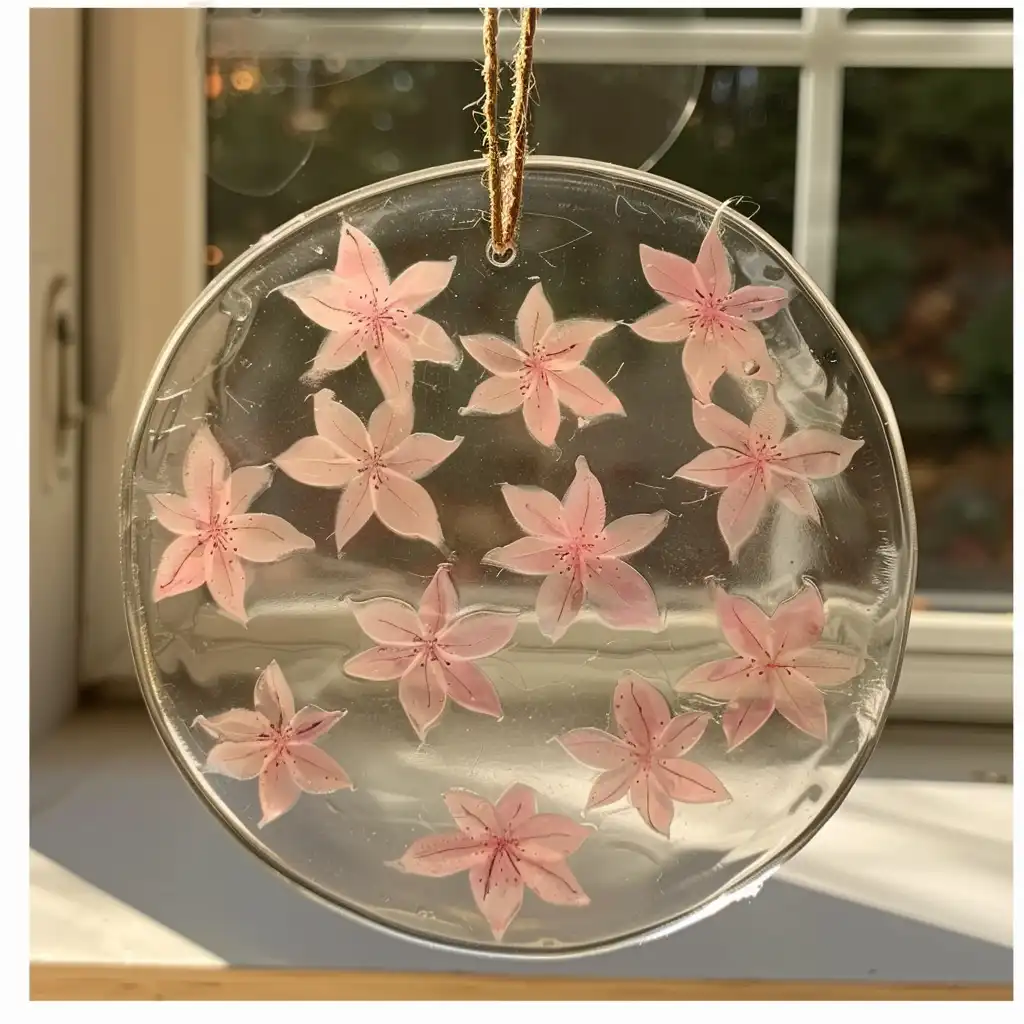
Add Decorative Elements
Want to give your suncatchers a nature-inspired vibe? Try embedding small dried flowers, glitter, or leaves before the mixture cools.
Experiment with Colors and Shapes
Use different food coloring shades for a rainbow effect, or pour the mixture into silicone molds for unique designs.
Print
DIY Bioplastic Suncatchers: A Fun and Eco-Friendly Craft
- Total Time: 24–48 hours (including drying)
- Yield: 1–2 suncatchers
Description
Make beautiful, eco-friendly bioplastic suncatchers using simple ingredients like cornstarch, vinegar, and glycerin. A fun and educational craft for kids and adults!
Ingredients
– 1/2 cup cornstarch
– 1/2 cup water
– 1 tablespoon vinegar
– 1 tablespoon glycerin
– Food coloring (optional)
– Wax paper or plastic sheet
– Spoon or craft stick
– Saucepan
– Small mold (optional)
Instructions
- – Combine cornstarch, water, vinegar, and glycerin in a small saucepan and mix until smooth.
- – Heat on low, stirring constantly until the mixture thickens and becomes gel-like.
- – Continue cooking for 5–7 minutes until clear and thick.
- – Remove from heat and add food coloring if desired.
- – Spread the mixture on wax paper or pour into molds.
- – Press flowers or decorations into the surface if desired.
- – Let dry at room temperature for 24–48 hours.
- – Peel off and punch a hole for hanging.
Notes
Drying time varies based on thickness. Add natural elements for decoration.
- Prep Time: 5 minutes
- Cook Time: 7 minutes
- Category: DIY
- Method: Stovetop heating and air drying
- Cuisine: N/A