Looking for a fun, easy, and educational activity that will keep kids entertained while teaching them a bit of chemistry? The baking soda balloon experiment is a fantastic hands-on project perfect for classrooms, science fairs, or just an afternoon at home. Using simple ingredients from your kitchen, you’ll watch science come to life as a balloon magically inflates with nothing but baking soda and vinegar. This fizzy reaction is not only exciting to watch, but it’s also a great introduction to chemical reactions and the wonders of carbon dioxide.

Why This Experiment is a Must-Try
Kids love anything that fizzes, pops, or grows right before their eyes. With this experiment, you’re not just inflating a balloon — you’re giving a real-life example of how certain substances interact to create gas. It’s safe, quick to set up, and customizable with colors, glitter, and scents to keep the experience exciting and creative. Whether you’re a parent, teacher, or just curious yourself, this is a chemistry activity everyone can enjoy.
What You’ll Need and How to Get Started
Before jumping into the fun, gather your materials and get everything set up. The best part? You probably already have everything in your kitchen.
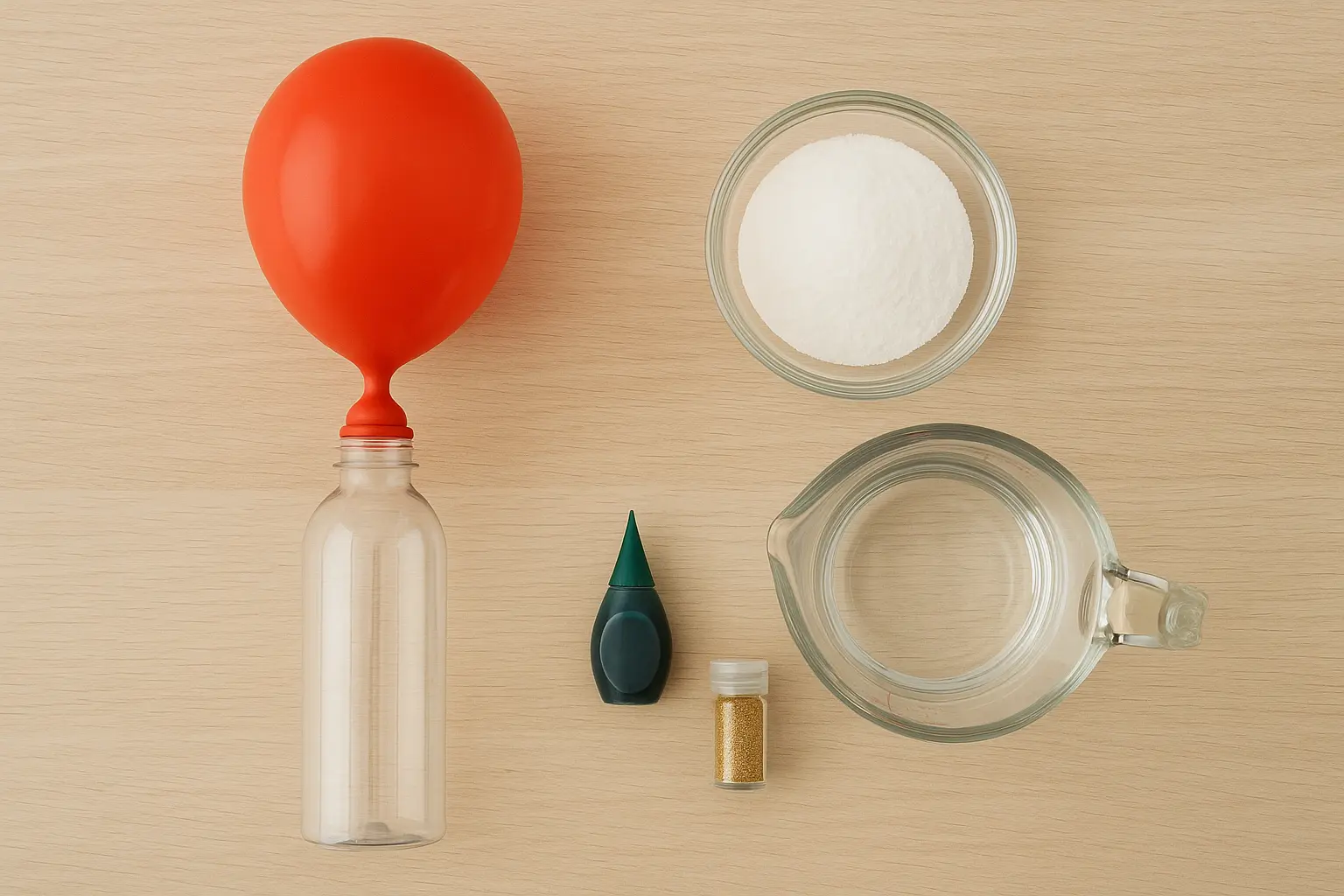
Ingredients
- 1 balloon (any color)
- 1 small plastic bottle (an empty water bottle works perfectly)
- 2 to 3 tablespoons of baking soda
- 1/2 cup of vinegar
- Optional: A few drops of food coloring (for a colorful fizz)
- Optional: A pinch of glitter or a couple drops of essential oils (for sparkle or scent)
Directions
1. Prep the Balloon:
- Insert a funnel into the neck of your balloon.
- Spoon in 2 to 3 tablespoons of baking soda through the funnel.
- Gently shake or tap the balloon so the powder falls inside.
- Carefully remove the funnel and set the balloon aside — just make sure the baking soda stays inside for now.
2. Fill the Bottle:
- Pour 1/2 cup of vinegar into your empty plastic bottle.
- If you want to jazz things up, now’s the time to add a few drops of food coloring for a colorful reaction.
- Add glitter or a bit of essential oil if you’re looking to add sparkle or scent.
3. Attach the Balloon:
- Stretch the balloon’s opening over the mouth of the bottle. It should be snug and airtight.
- Be careful not to let any baking soda fall into the vinegar just yet.
4. Start the Reaction:
- When you’re ready, lift the balloon upright so the baking soda falls from the balloon into the vinegar inside the bottle.
- As soon as the two substances mix, they’ll start fizzing like crazy and the balloon will begin to inflate like magic!
5. Experiment and Explore:
- Try different colors, balloon sizes, or ingredient ratios to see what changes.
- Add more baking soda or less vinegar and observe the results.
- Mix and match food coloring for a rainbow effect or use larger bottles and balloons for a bigger impact.
Learning Opportunities and Science Behind It
The baking soda balloon experiment is more than just fun — it’s a great introduction to real scientific concepts. Here’s what’s really happening when that balloon starts to grow.
Understanding the Reaction
This experiment demonstrates a chemical reaction between an acid (vinegar) and a base (baking soda). When the two combine, they create carbon dioxide gas — the same gas we exhale when we breathe.
- Baking Soda (Sodium Bicarbonate): A base
- Vinegar (Acetic Acid): An acid
- Carbon Dioxide (CO₂): The gas released during the reaction
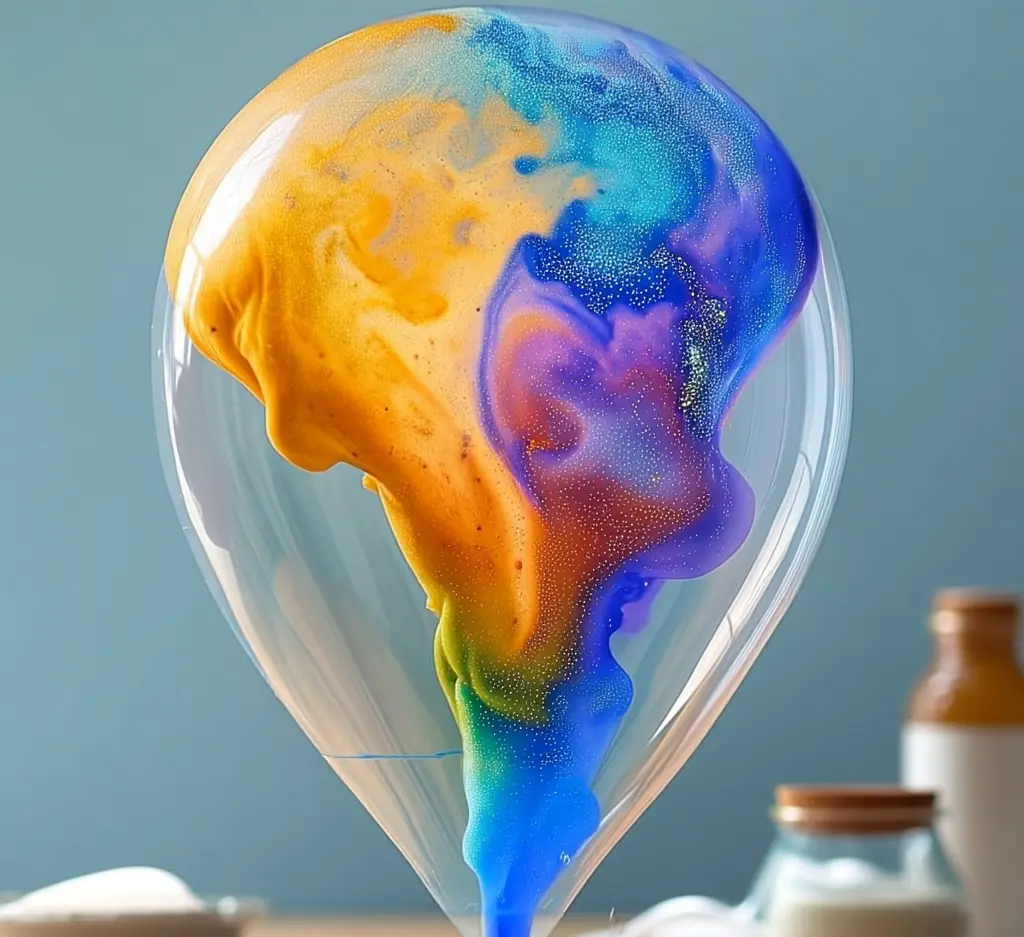
When the gas is released, it has nowhere to go inside the sealed bottle — so it moves upward and starts inflating the balloon. The fizz and bubbles you see are the CO₂ escaping into the balloon, creating that puffy magic.
Expanding on the Concept
This activity is a perfect way to introduce terms like chemical reactions, gases, and acids and bases. Kids can also learn about measurement, cause and effect, and how different materials interact with one another.
Try turning it into a full experiment by testing:
- How different amounts of baking soda affect the size of the balloon.
- Whether the size or shape of the balloon makes a difference.
- What happens if you use different acidic liquids like lemon juice instead of vinegar.
These mini experiments can help build curiosity, critical thinking, and observation skills — all core to scientific learning.
Tips, Variations, and Safety
Even though this experiment is safe and simple, it’s always good to keep a few best practices in mind.
Safety First
- Make sure young kids are supervised while handling vinegar and baking soda.
- Don’t overfill the bottle with either liquid or powder to avoid spills or splashes.
- Always conduct the experiment in a well-ventilated area or on a tray to catch any mess.
Creative Variations
- Glittery Balloons: Add a pinch of glitter to the vinegar to create a sparkling effect as the reaction happens.
- Scented Science: Use a few drops of essential oils like peppermint or lavender for a fun sensory twist.
- Balloon Color Matching: Match your food coloring to your balloon for a coordinated look — great for themed events or holidays.
Whether you’re looking for a quick science experiment for class or just want to create an afternoon of learning and fun at home, the baking soda balloon experiment is the perfect activity. It’s easy, educational, and endlessly customizable.