Introduction
If you are searching for a creative and eco-friendly project that sparks imagination while teaching kids about sustainability, ocean animal crafts made from recycled plastic bottles are a perfect choice. These projects not only keep plastic waste out of landfills but also introduce children to the beauty and diversity of marine life. By turning something as simple as an empty bottle into a colorful fish, a majestic dolphin, or even a playful jellyfish, kids get to explore their artistic side while learning about the importance of protecting our oceans.
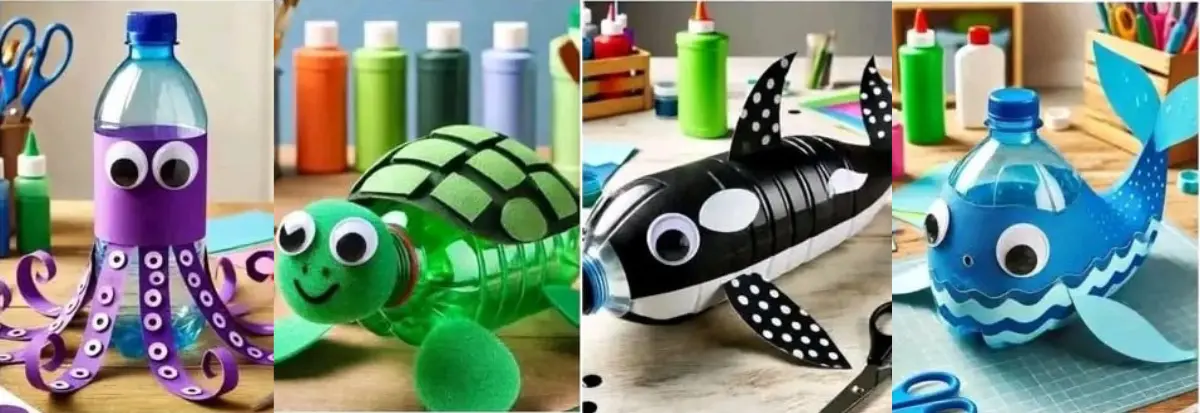
This activity is ideal for classrooms, family crafting afternoons, or even community recycling events. The best part? You probably have most of the materials at home already, making this a budget-friendly and earth-conscious way to spend quality time with children.
Why Ocean Animal Crafts are Great for Kids
Encourages Creativity and Imagination
When kids create ocean animals from plastic bottles, they get to dream up their own versions of sea creatures, choosing shapes, colors, and even giving them names. A water bottle might become a shimmering seahorse, while a soda bottle might turn into a grinning shark. This freedom of expression helps kids develop problem-solving skills, hand-eye coordination, and artistic confidence.
Crafting in this way also introduces children to the idea that art can be made from unconventional materials. They learn that creativity is not limited to paper, paint, and store-bought supplies — it can be found in everyday items destined for the recycling bin.
Teaches Environmental Responsibility
Turning used bottles into adorable marine animals is a simple but powerful lesson in reusing and reducing waste. Kids see firsthand how single-use plastics can have a second life, and this hands-on approach to recycling helps them understand the bigger picture of sustainability. Parents and teachers can use the opportunity to talk about how plastic pollution affects ocean life, inspiring young crafters to make eco-friendly choices in the future.
How to Make Ocean Animal Crafts from Plastic Bottles
1. Sea Turtle
Materials:
- Green plastic bottle
- Green foam balls (for head and legs)
- Green cardboard or foam sheet (for flippers and shell pattern)
- Googly eyes
- Black marker
- Glue
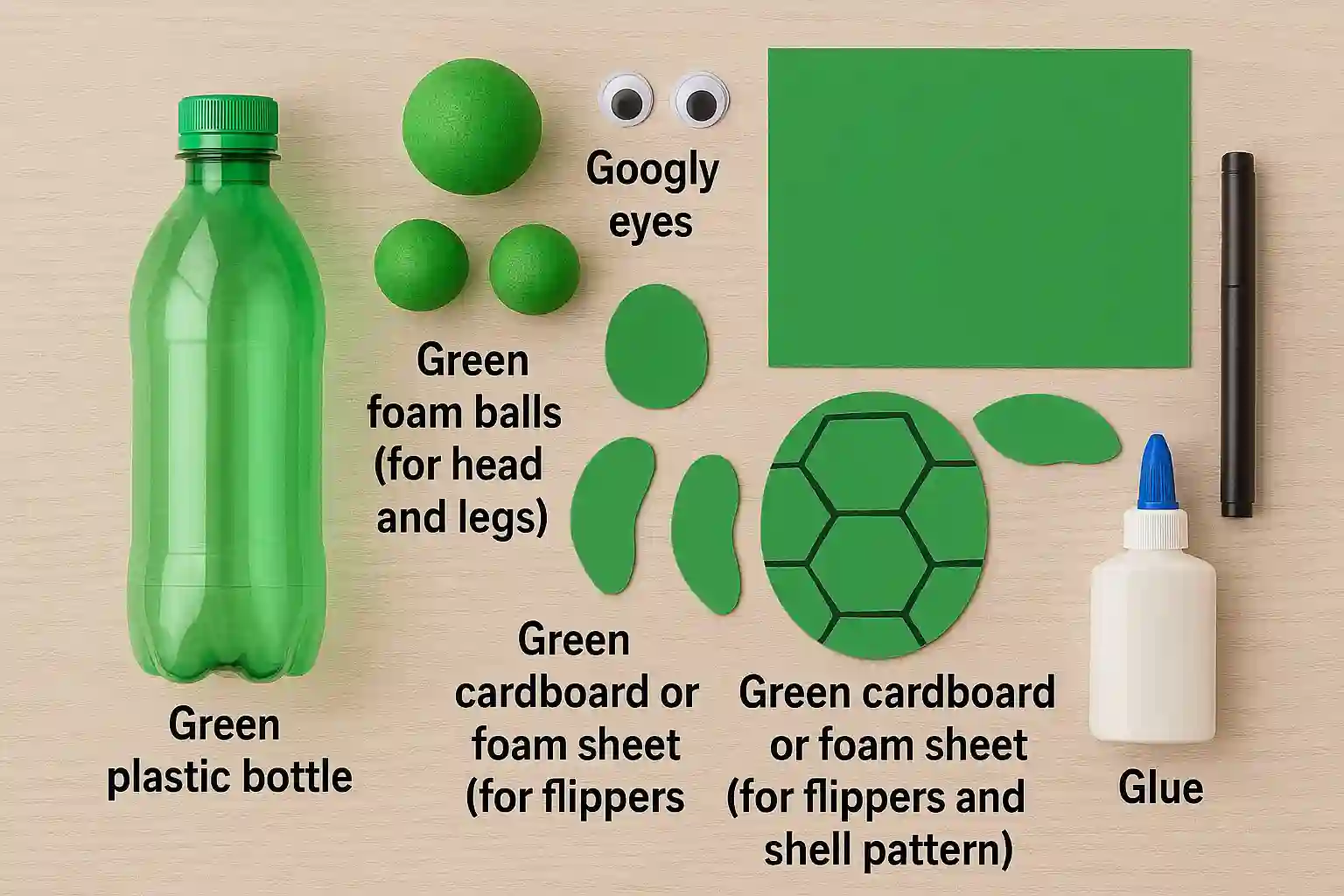
Instructions:
- Cut the bottle to form the turtle’s body.
- Attach green foam balls for the head and legs.
- Cut flippers from foam/cardboard and glue them on.
- Add shell pattern pieces on top.
- Glue on googly eyes and draw a smile.
2. Whale
Materials:
- Blue plastic bottle
- Blue cardboard or craft foam (for fins and tail)
- Blue and white paint or colored tape
- Googly eyes
- Scissors and glue
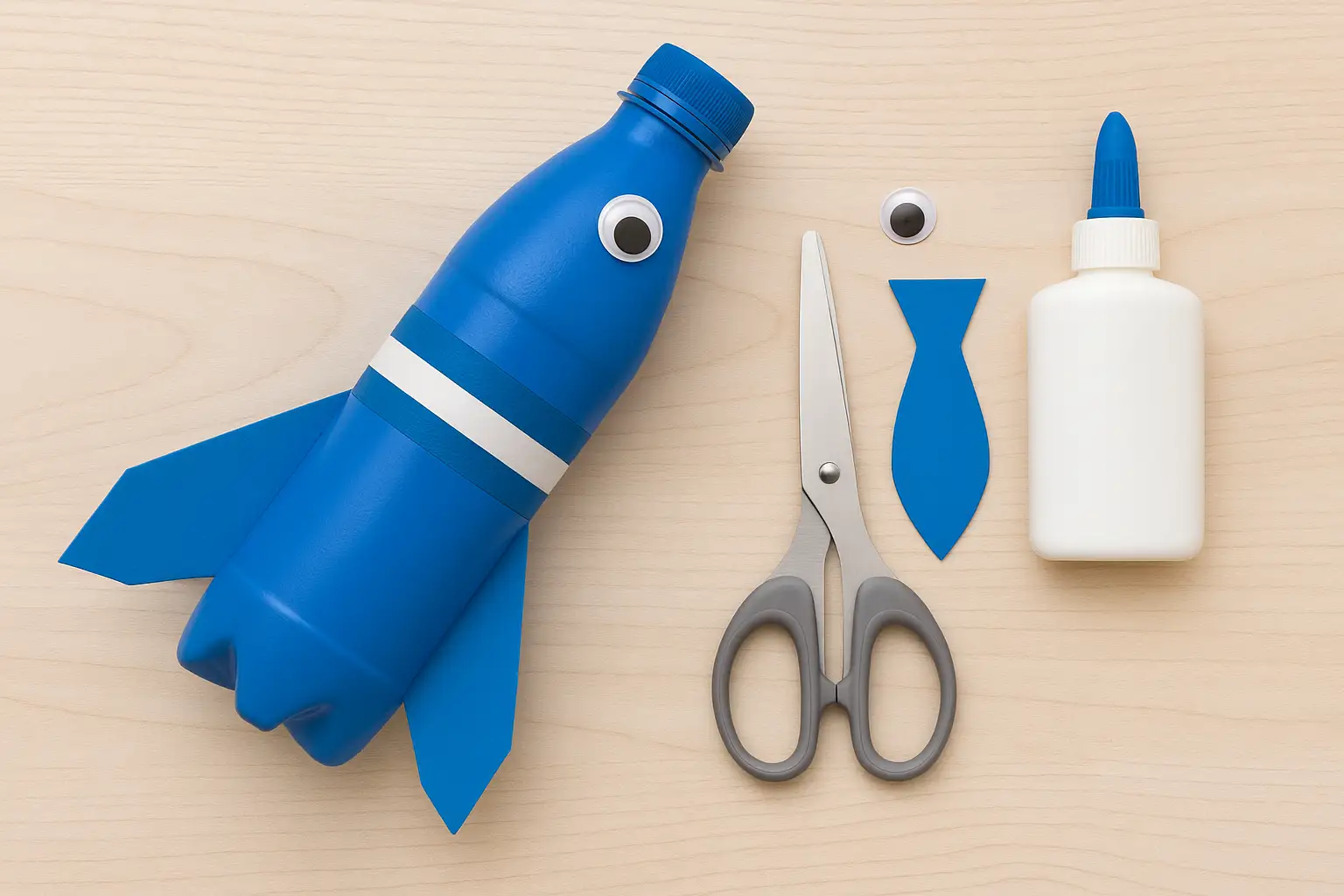
Instructions:
- Cut the bottom of the bottle into a rounded shape.
- Paint or decorate with waves using white paint or tape.
- Cut fins and a tail from blue cardboard and glue them on.
- Add googly eyes to complete the face.
3. Orca (Killer Whale)
Materials:
- Plastic bottle
- Black and white paint or colored paper
- Black cardboard (for fins and tail)
- White cardboard (for spots)
- Googly eyes
- Glue
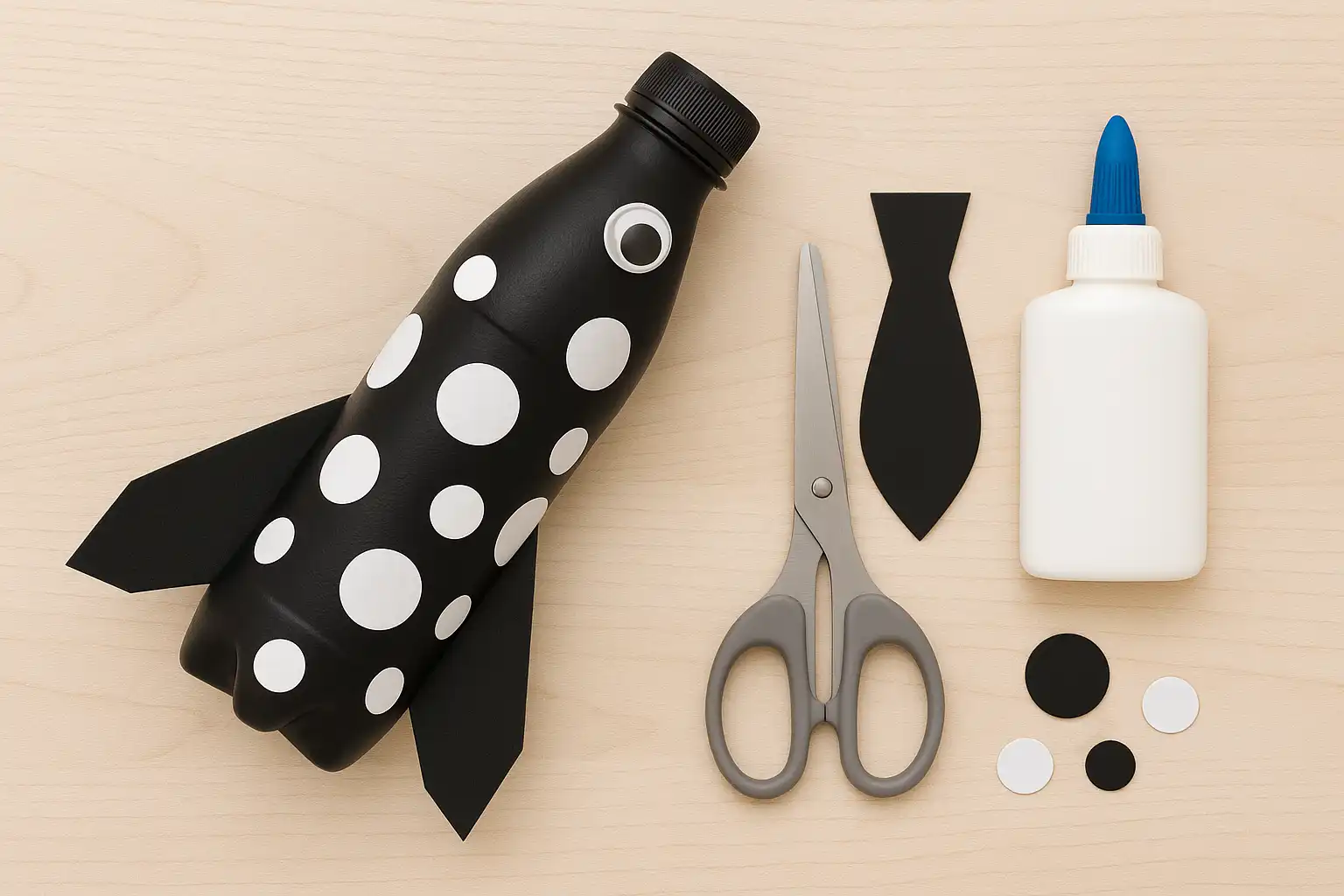
Instructions:
- Paint the bottle black and add a white belly and spots.
- Cut out fins and a tail from black cardboard.
- Attach the fins and tail with glue.
- Add googly eyes to finish.
4. Octopus
Materials:
- Plastic bottle
- Purple paint or colored paper
- Googly eyes
- Scissors
- Glue
Instructions:
- Cut the bottom half of the bottle into strips to form tentacles.
- Curl each strip with scissors or a pencil.
- Paint or wrap the bottle in purple paper.
- Add white suction cup dots on the tentacles.
- Glue on googly eyes and draw a smile.
Tips, Variations, and Safety Notes
Creative Variations for All Ages
For younger children, focus on simpler designs with minimal cutting, such as painting a whole bottle to look like a whale and adding a paper tail. Older kids can take on more complex designs, like a crab with multiple legs or a detailed sea turtle shell.
Another fun variation is creating a whole ocean scene by combining different animals in one display. You can even use blue tissue paper, sand, and shells to create a mini underwater world in a box or jar.
Safety and Sustainability Reminders
Always supervise children when using scissors or glue guns. Encourage the use of water-based, non-toxic paints to keep the project safe for little hands. Remind kids to collect bottles from recycling bins at home or school, and explain how their art is helping reduce waste.
You can even extend the lesson by showing them before-and-after photos of ocean cleanups, reinforcing the connection between reusing materials and protecting marine life.